
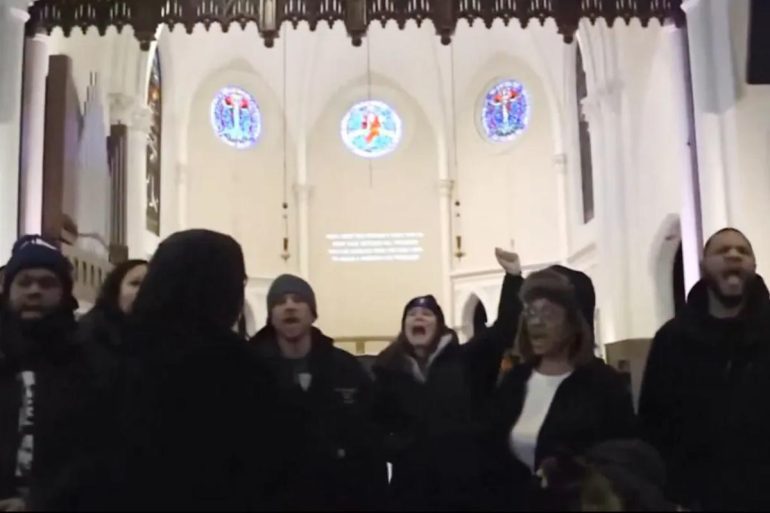
On January 18, 2026 (with reports emerging and updates on January 19), a group of anti-ICE protesters interrupted a Sunday worship service at Cities Church in St. Paul, Minnesota (often referred to in reports as the Minneapolis area or Twin Cities). This incident has sparked widespread controversy, a federal investigation, and strong reactions from religious leaders, law enforcement officials, and political figures.
Background: Tensions Over ICE Operations
The disruption occurred amid heightened protests in Minnesota following the fatal shooting of Renee Good, a 37-year-old U.S. citizen and mother of three, on January 7, 2026. An ICE agent shot Good during what federal officials described as an attempt by her to ram officers with her vehicle. Local leaders, eyewitnesses, and critics have disputed this account, claiming the shooting was unjustified and part of aggressive federal immigration enforcement tactics in the region. These operations, including raids and arrests, have led to clashes, hundreds of detentions, and widespread demonstrations calling for “Justice for Renee Good” and an end to ICE activities.
Protesters, organized by groups such as Black Lives Matter Minnesota and the Racial Justice Network, have targeted locations connected to ICE personnel.
The Church Disruption
During the morning service at Cities Church, a Southern Baptist congregation, approximately 30–40 protesters entered the sanctuary. Video footage, including a livestream shared by Black Lives Matter Minnesota and captured by former CNN anchor Don Lemon (now working as an independent journalist), shows demonstrators chanting slogans such as “ICE out”, “Justice for Renee Good”, and “Hands up, don’t shoot”. They accused one of the church’s pastors, David Easterwood, of also serving as the acting director of ICE’s St. Paul field office—a role confirmed in court filings and public appearances (such as alongside DHS Secretary Kristi Noem in October 2025). Easterwood was not leading the service that day.
The chants and shouting halted the worship, shocking congregants—including families with children—who described feeling harassed and frightened. One former pastor associated with the church, Dr. Joe Rigney, called the event “remarkable” in a negative sense, noting how it terrified children and disrupted peaceful worship.
Protesters argued that having an ICE leader as a pastor represented hypocrisy, given the community’s experiences with federal agents. Activist Nekima Levy Armstrong, an ordained reverend and participant, emphasized concerns about “barbaric” ICE actions and questioned the theology of a church leader involved in such operations.
Reactions and Investigation
The incident drew swift condemnation from Christian leaders. Figures like Albert Mohler (president of Southern Baptist Theological Seminary) described it as “unspeakably evil” and a desecration of worship. Paula White, senior adviser to the White House Faith Office, and Pastor Paul Chappell also condemned the action, citing violations of religious freedom and the Freedom of Access to Clinic Entrances (FACE) Act (often applied to protect places of worship).
Attorney General Pam Bondi stated she had spoken with the pastor and vowed that attacks on law enforcement and intimidation of Christians would face the “full force of federal law”. Assistant Attorney General Harmeet Dhillon announced a civil rights investigation by the Department of Justice, emphasizing the sacred right to pray and assemble. The DOJ has indicated potential charges against participants.
Minnesota Governor Tim Walz‘s office said he supports peaceful protest but does not endorse interrupting worship services. Critics, including some church figures, accused state and local leaders of encouraging “lawlessness.”
The broader context includes ongoing clashes, a sit-in at a local Target store, and reports of National Guard troops on standby as protests continue.
This event highlights deep divisions over immigration enforcement, religious liberty, and protest tactics in a tense national climate. While protesters sought to highlight alleged injustices, many view the church interruption as an unacceptable violation of sacred space. The federal investigation is ongoing.