
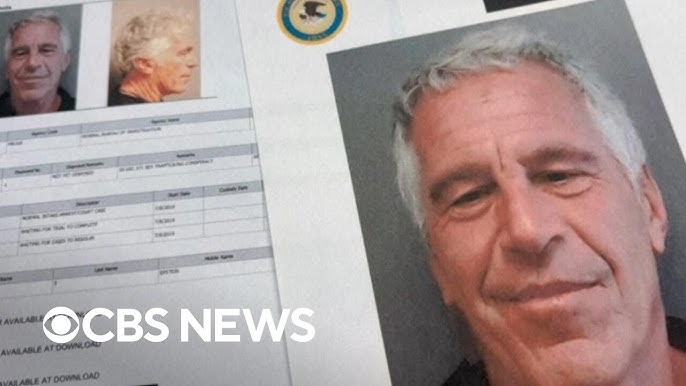
In a step toward greater transparency in the Jeffrey Epstein case, members of Congress will soon be able to review unredacted versions of key documents held by the Department of Justice (DOJ). According to a letter obtained by multiple news outlets, including NBC News and Axios, lawmakers can begin viewing these files on computers at the DOJ headquarters in Washington, D.C., starting Monday, February 9, 2026.
The access is limited to the more than 3 million pages of Epstein-related materials that the DOJ has already made public in recent releases. This does not include the full collection of over 6 million documents the department says it possesses. Lawmakers must provide at least 24 hours’ notice to schedule a visit, and reviews will take place in a secure reading room open from 9 a.m. to 6 p.m., Monday through Friday. They can take handwritten notes but are not allowed to bring electronic devices, such as phones or laptops, into the room. Staff members are also barred from joining the reviews—only elected members of Congress qualify.
This development comes after bipartisan pressure on the DOJ. The Epstein Files Transparency Act, passed by Congress and signed into law by President Donald Trump on November 19, 2025, required the DOJ to release all unclassified records, documents, communications, and investigative materials related to Epstein in a searchable, downloadable format. The law aimed to shed light on the investigations, prosecutions, and other matters involving the convicted sex offender.
Epstein, a wealthy financier with connections to powerful figures, faced federal sex trafficking charges in 2019 involving minors. He died by suicide in jail while awaiting trial. His associate, Ghislaine Maxwell, was later convicted and is serving a 20-year sentence.
The DOJ released a large batch of over 3 million pages late last month—more than a month past the original December 19, 2025, deadline set by the law. However, the releases drew criticism for heavy redactions in some areas and, in others, for failing to protect victims’ identities adequately. Over 1,000 victims are said to be connected to the case, and sloppy redactions reportedly left some survivors’ names exposed.
Reps. Thomas Massie (R-Ky.) and Ro Khanna (D-Calif.), who co-sponsored the transparency law, quickly pressed Deputy Attorney General Todd Blanche for access to unredacted versions after the public release. Democrats on the House Judiciary Committee, including Ranking Member Jamie Raskin (D-Md.), sent similar requests, emphasizing the need to check whether redactions followed the law’s strict rules. The act allows withholding only in narrow cases, like protecting victims’ personal information—not for reasons like political embarrassment or reputational harm.
Blanche had promised congressional access during the announcement of the latest release. Assistant Attorney General Patrick Davis confirmed the arrangements in the recent letter, describing it as part of the DOJ’s “commitment to maximum transparency” and good-faith efforts to handle the huge volume of documents quickly.
The timing is significant. Attorney General Pam Bondi is scheduled to testify before the House Judiciary Committee on Wednesday, February 11, 2026. Lawmakers want to examine the unredacted files beforehand to prepare questions about redactions and compliance with the law. Priority access will go to leaders and members of the House and Senate Judiciary committees, though all members of Congress will eventually have the opportunity.
Khanna praised the move on social media, saying, “When Congress pushes back, Congress can prevail. @RepThomasMassie & I have always believed that Congress must not be a doormat. Not when it comes to the Epstein files.”
The files have named prominent people, including President Trump, Elon Musk, and others, in communications with Epstein after his earlier conviction, though no new evidence of criminal wrongdoing by those mentioned has surfaced so far. The releases continue to fuel public interest, survivor concerns, and congressional oversight.
This access for lawmakers marks an important response to calls for accountability, even as questions remain about the full scope of unreleased materials and the DOJ’s redaction decisions.