
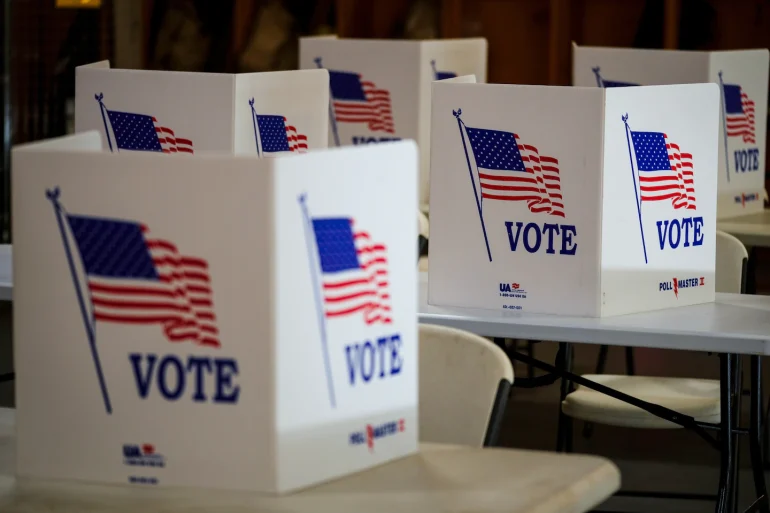
The U.S. House of Representatives has passed the Save America Act, a major election reform bill backed by President Donald Trump. The vote on February 11, 2026, was close: 218 in favor and 213 against, mostly along party lines. All Republicans supported it, while only one Democrat—Rep. Henry Cuellar of Texas—voted yes.
The bill, sponsored by Rep. Chip Roy (R-Texas) and with a Senate companion from Sen. Mike Lee (R-Utah), builds on an earlier version called the SAVE Act that passed the House in previous years but stalled in the Senate. This updated Save America Act adds stricter rules pushed by Trump.
Key provisions include:
- Requiring documentary proof of U.S. citizenship—such as a passport or birth certificate—in person to register to vote in federal elections. Current law lets people attest to citizenship under penalty of perjury, but this would demand physical documents.
- Mandating photo ID to vote in person, with a strict list of acceptable IDs. Student IDs would not qualify.
- Adding new limits on mail-in voting, such as requiring a copy of an eligible ID when requesting or casting an absentee ballot.
Supporters, including House Speaker Mike Johnson (R-La.), call these changes “common sense.” They argue that people need ID for everyday activities like driving or opening a bank account, so voting should be no different. Republicans highlight polls showing strong public support for voter ID— a Pew Research Center survey from last August found 83% of adults favor requiring government-issued photo ID to vote, including majorities of Democrats and Black voters.
Critics, including Democrats and voting rights groups, say the bill would suppress votes rather than prevent fraud. Noncitizen voting in federal elections is already illegal and extremely rare. They point out that millions of eligible citizens—estimates from groups like the Southern Poverty Law Center and Brennan Center suggest around 21 million—lack easy access to documents like birth certificates or passports. These people are often poor, people of color, or those who have changed names (such as married women), making registration or voting harder.
Experts like Gideon Cohn-Postar from the Institute for Responsive Government argue that while the requirements sound reasonable in theory, they create practical barriers. For example, proving citizenship for mail-in or online registration becomes difficult without documents. Rebekah Caruthers of the Fair Elections Center views the bill as part of a broader effort to restrict voting access.
The bill now heads to the Senate, where it faces serious obstacles. Republicans hold 53 seats, but several GOP senators have raised concerns. Sen. Lisa Murkowski (R-Alaska) opposes it, noting Republicans previously fought against federal mandates on state elections. Sen. Susan Collins (R-Maine) has issues with the expanded scope, and Sen. Mitch McConnell (R-Ky.) has long supported leaving election rules to states. Even if it passes the Senate by simple majority, Democrats would likely filibuster it, needing 60 votes to advance. Senate Minority Leader Chuck Schumer (D-N.Y.) called it “Jim Crow-type laws” and said it’s “dead on arrival.”
Senate Majority Leader John Thune (R-S.D.) supports bringing it to a vote but acknowledged no path exists to eliminate the filibuster, which Trump has pushed for.
The legislation reflects ongoing debates over election integrity versus access. Proponents see it as protecting against potential fraud, while opponents view it as unnecessary and harmful to democracy, especially given no widespread evidence of noncitizen voting. With midterm elections approaching, this bill signals continued Republican focus on voting rules, though its chances of becoming law remain slim.