
The partial U.S. government shutdown that began over the weekend is likely to continue into next week, as House Speaker Mike Johnson announced no immediate vote on a funding package to end it. The standoff centers on intense debates over reforms to Immigration and Customs Enforcement (ICE) operations under the Trump administration.
On Sunday, February 1, 2026, Speaker Johnson (R-La.) appeared on multiple news programs, including “Fox News Sunday” and NBC’s “Meet the Press.” He stated that a House vote on the funding measure would not happen quickly, delaying it until at least Tuesday. Procedural steps, starting with committee reviews on Monday, are required. Johnson blamed Democrats for refusing to support a speedy passage, citing their demands for significant changes to ICE practices.
The crisis traces back to public outrage following two fatal shootings involving federal immigration agents in Minneapolis. In early January, an ICE officer shot and killed Renee Good, and later in the month, Border Patrol agents fatally shot Alex Pretti, a 37-year-old U.S. citizen and intensive care nurse, during protests against aggressive immigration enforcement. These incidents sparked nationwide demonstrations, including calls for a “national shutdown” with strikes and protests demanding an end to ICE operations in cities.
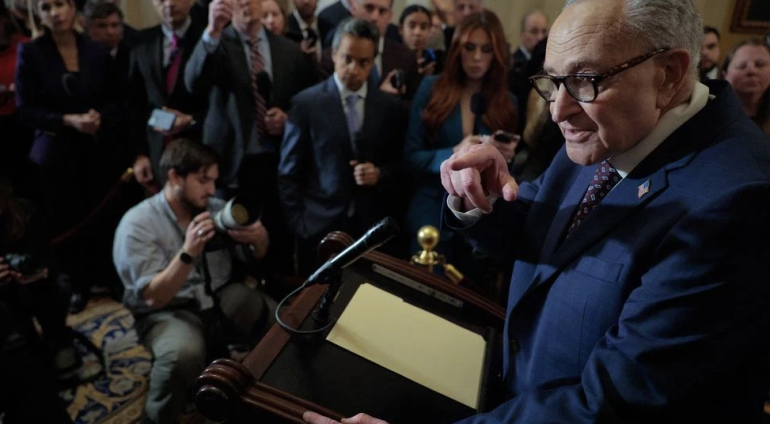
In response, Senate Democrats pushed for reforms before approving funding for the Department of Homeland Security (DHS), which oversees ICE. President Donald Trump helped broker a deal with Senate leaders, including Chuck Schumer (D-N.Y.), to separate DHS funding from a broader package. The Senate approved a temporary two-week funding extension for DHS on Friday, pushing the debate deadline to mid-February. This setup allows time for negotiations on ICE restrictions while funding other agencies through the fiscal year.
Johnson emphasized that Trump is leading the effort, describing it as the president’s strategy. He noted Trump has indicated a desire to “turn down the volume” on immigration operations. Potential areas of compromise include the already-included $20 million for body cameras on agents and possibly ending roving patrols. However, Johnson rejected Democratic calls for agents to unmask, show identification, or require judicial warrants for home entries. He argued that revealing identities could endanger officers, as protesters have targeted them by posting personal information online.
Democrats, led by House Minority Leader Hakeem Jeffries (D-N.Y.), insisted on major DHS reforms. On ABC’s “This Week,” Jeffries called for immediate negotiations, stating masks should come off and warrants should be required to prevent agents from entering homes or vehicles without constitutional protections. Sen. Chris Murphy (D-Conn.) described the situation in Minnesota as a “dystopia” and accused ICE of making the country less safe. Growing calls from some lawmakers demand the firing or impeachment of Homeland Security Secretary Kristi Noem over the handling of enforcement operations.
The partial shutdown affects several agencies, including Defense, Health and Human Services, Transportation, and Housing and Urban Development. Many essential services continue, but non-essential workers face potential furloughs or delayed pay if the impasse lasts. This marks the second major disruption in recent months; last fall, a 43-day shutdown occurred over other policy disputes, leading to higher insurance premiums for millions after promised fixes failed.
Johnson expressed optimism, saying he believes Republicans can pass the measure using their slim majority and that agreement is possible. Democrats planned a private caucus call Sunday evening to plan their strategy, signaling they will hold firm on demands for ICE accountability amid the ongoing immigration enforcement surge. The coming days will test whether negotiations can bridge the divide before the temporary DHS funding expires.