
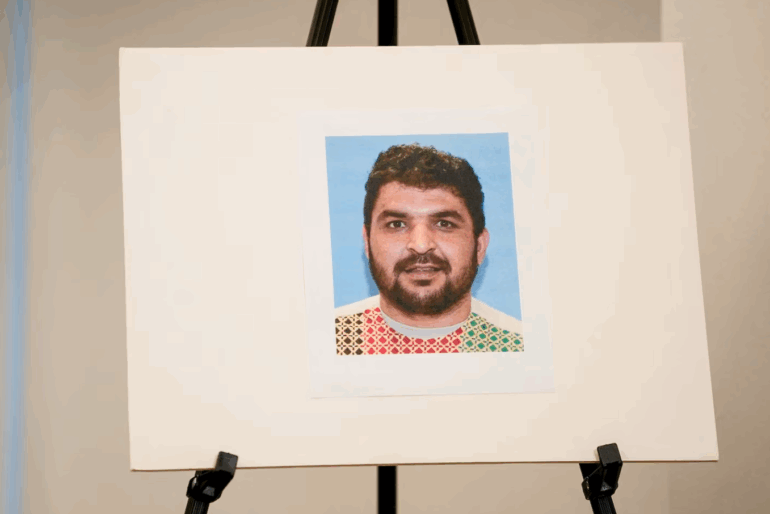
A hail of gunfire shattered the calm near the White House on November 26, 2025, leaving one National Guard member dead and another clinging to life. The accused shooter, 29-year-old Afghan refugee Rahmanullah Lakanwal, drove thousands of miles from his quiet life in Washington state to unleash the attack. What drove this former CIA ally, hailed as a hero for hunting Taliban leaders, to such unthinkable violence? Lakanwal’s story lays bare the profound scars of war, the failures of U.S. resettlement, and a political blame game that ignores the human cost.
Lakanwal wasn’t just any Afghan evacuee. Growing up in the Taliban-plagued Khost province, he joined the fight against insurgents around 2011, embedding himself in a CIA-sponsored elite counterterrorism squad known as the Zero Unit—or National Strike Unit. These Afghan commandos, trained under CIA direction, executed perilous missions to dismantle Taliban networks, saving countless American lives in the process. “They took malignant actors off the battlefield and saved American lives, period,” said Andrew Sullivan, a former Army officer in Afghanistan and executive director of No One Left Behind, a nonprofit supporting U.S.-allied Afghans.
Zero Unit members like Lakanwal faced the highest risks: extensive vetting through databases like the National Counterterrorism Center (NCTC) confirmed no ties to terrorism, earning them praise from CIA officers for their bravery and loyalty. Operations adhered to the laws of armed conflict, with pre-mission reviews, despite human rights reports alleging abuses tied to faulty intelligence between 2017 and 2019—claims rejected by the fighters and their handlers. In October 2025, Republican Sen. Markwayne Mullin of Oklahoma honored them at a Washington event: “The Zero Units were the cream of the crop. They were the top of the top 1%.”
As the U.S. withdrawal loomed in 2021, the CIA fast-tracked the evacuation of nearly 10,000 Zero Unit veterans, prime Taliban targets. Lakanwal fled with his wife, five young sons, and two nephews under Operation Allies Welcome, resettling in Bellingham, Washington—a state that took in nearly 3,000 Afghans. His asylum bid, filed in December 2024, cleared rigorous checks—including background scans, social media reviews, and interviews—before approval in April 2025, still under the prior administration. Yet, for all their service, these warriors hit a wall in America: legal limbo without work permits, trapping thousands in poverty and uncertainty. About 3,000 Zero Unit members alone lacked status as of July 2025, unable to return home where death awaited but barred from rebuilding here. “Without your help, we are trapped,” pleaded former commander Mohammad Shah in a 2023 letter to lawmakers, citing suicides from sheer helplessness.
Lakanwal’s descent was agonizingly documented in emails from resettlement caseworkers, obtained by outlets like CBS News and the Associated Press. By March 2023, the once-fierce leader had quit his job, plunging into “periods of dark isolation”—weeks holed up in a blackened bedroom, silent even to his wife and kids. Manic bursts followed: vanishing on erratic drives to Chicago or Arizona, leaving his unbathed, unfed children to spark school welfare checks. A January 2024 email to the U.S. Committee for Refugees and Immigrants warned of suicidal risks, eviction threats, and untreated mental health woes. “He has not been functional as a person, father, and provider,” wrote the caseworker, suspecting PTSD from battlefield horrors, including the 2024 death of a close comrade denied U.S. asylum.
This summer, Lakanwal scraped by for one month as an Amazon Flex delivery driver, using his own car for gigs, but inactivity soon followed. Neighbors in Bellingham saw a “simple and nice guy” who prayed at the local mosque but had “disappeared” for over two weeks before the shooting—no hints of brewing rage. A relative, voice breaking in an NBC interview, echoed the family’s shock: “I need your help to know why this happened.”
The attack’s brutality stunned even advocates. Lakanwal allegedly targeted National Guard members—echoing his old allies—killing 20-year-old Army Spc. Sarah Beckstrom and critically wounding 24-year-old Air Force Staff Sgt. Andrew Wolfe. Wounded himself in the firefight, he’s sedated on a ventilator, delaying FBI questioning. U.S. Attorney Jeanine Pirro announced first-degree murder charges, with “many more to come.” Early probes of his communications show no extremist links or foreign plots, but investigators scour for clues to his cross-country trek.
Politics swiftly weaponized the tragedy. President Donald Trump demanded a full audit of Afghan admissions and a halt to new resettlements, while his White House called Lakanwal an “animal” enabled by Joe Biden’s “dangerous policies.” Homeland Security Secretary Kristi Noem, on NBC’s Meet the Press, blamed Biden’s Afghanistan “abandonment” and claimed Lakanwal was “radicalized since he’s been here” via local ties—though no evidence surfaced, and she’s interviewing his circle. NCTC Director Joe Kent added on X that while Lakanwal passed Afghan vetting, he wasn’t screened for “suitability to come to America… or eventually become an American citizen.”
Experts counter the spin. Multiple vetting layers—from CIA enlistment to U.S. asylum—deemed him “clean on all checks,” per officials. A June 2025 Justice Department audit found no systemic flaws in Afghan evacuee screening, though rushed processes raised minor risks. “Vetting can help mitigate threats, but it doesn’t eliminate threats,” said Geeta Bakshi, ex-CIA officer and FAMIL founder aiding Zero Units. “You never know what’s going on in someone’s head.” Shawn VanDiver of AfghanEvac stressed: “This violent act does not reflect the Afghan community, which… undergoes some of the most extensive vetting of any immigrant population.”
Beneath the finger-pointing lies a bipartisan betrayal. Trump’s 2020 Doha deal set the withdrawal in motion, which Biden executed after a brief delay. Both administrations fielded pleas from CIA and military vets for fixes, yet the Afghan Adjustment Act—promising legal clarity and extra checks—languished in Congress for four years. Trump himself once vowed: “We’re going to take care of those people, the ones that did a job [for us].” Like U.S. special forces, these Afghans wrestle PTSD and loss, but immigration snags deepen the despair. “If you bring people here and you don’t let them feel like there is any hope, you’re leaving them in a very troubling situation,” warned a 1208 Foundation spokesperson.
Lakanwal’s case isn’t isolated—it’s a siren. These Zero Unit survivors, potential security assets, rot in limbo, their sacrifices forgotten. As the FBI probes his fractured mind, America must confront the real threat: not one man’s breakdown, but a system that discards its allies. Honoring Beckstrom, Wolfe, and fallen commandos demands action—pass the Adjustment Act, grant work permits, fund mental health. Otherwise, more heroes will fade into the dark, one shattered drive at a time.