
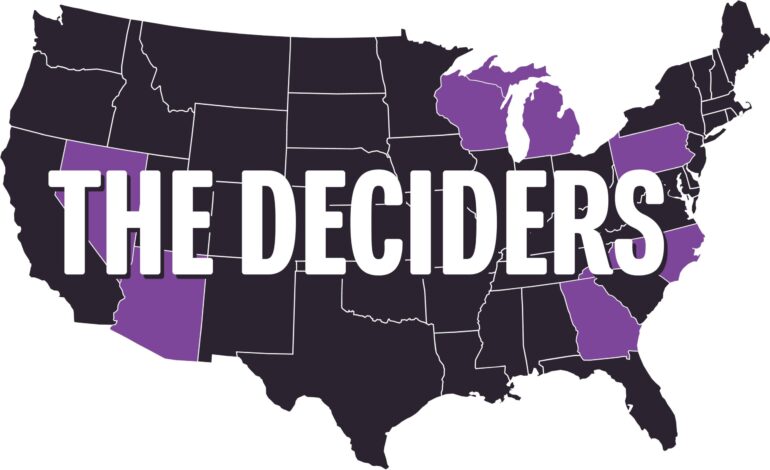
In the weeks after the 2025 gubernatorial elections in New Jersey and Virginia, NBC News teamed up with Syracuse University and research firms Engagious and Sago to talk directly with a special group of voters. These 14 people all did the same unusual thing: they voted for Donald Trump in the 2024 presidential race, but just one year later, in November 2025, they chose Democratic candidates for governor—Mikie Sherrill in New Jersey and Abigail Spanberger in Virginia. Both women won by double digits and even pulled in about 7% of Trump voters in their states, according to exit polls.
These voters are classic “swing” voters—the kind both parties fight over in every close election. What they told researchers carries big clues about what could decide the 2026 midterm elections.
1. They Are Tired of Extremes in Both Parties
Almost everyone in the groups expressed real frustration with the loudest, most extreme voices in politics. They don’t want far-left progressives or far-right MAGA hardliners running the show.
One participant summed it up plainly: the two parties need to “reject your party’s extremes and run campaigns about more than just Trump.” Several said the constant focus on Donald Trump—either attacking him or defending him—feels exhausting and keeps politicians from talking about everyday problems.
2. Candidate Quality Matters More Than Party Label
When researchers asked why they crossed party lines to vote for Sherrill and Spanberger, the top answer wasn’t policy details or anger at Trump. It was the candidates themselves.
Cynthia G., a 52-year-old Republican from New Jersey, explained why she voted for Democrat Mikie Sherrill:
“I mean, look, I’m a Republican, but let me tell you, if somebody is checking all the boxes for me, if they’re a Democrat, I’m going to go with my gut and what I feel… And Mikie is just proven to me. Naval officer, former federal prosecutor, mother of four. She’s tough, but she’s like the quiet storm. She’ll get things done.”
Other voters praised both winners for coming across as moderate, competent, and independent from the national Democratic brand, which many still view negatively.
Rich Thau, president of Engagious (the firm that ran the groups), put it bluntly: “The most important lesson for both parties in 2026 is to not run flawed candidates… What mattered most to swing voters was candidate quality.”
In short, a strong résumé, a calm personality, and a track record of getting things done can outweigh party loyalty for these voters.
3. The Economy—and Especially Health Care—Is Still a Huge Worry
Even though most participants said their governor vote wasn’t mainly a protest against Trump, they are clearly anxious about money. High prices for groceries, gas, and especially health insurance came up again and again.
David S., a 47-year-old from Garfield, New Jersey, voted for Trump in 2024 but chose Sherrill in 2025. He is terrified about what happens when enhanced Affordable Care Act (Obamacare) subsidies expire at the end of December 2025:
“I’m worried that I’m going to have to pay $300 a month more for my health insurance come January.”
David said he saw the Republican candidate as an old-style “good old boy” politician and liked Sherrill’s ideas for lowering energy costs.
4. Washington’s Health Care Stalemate Could Hurt Republicans in 2026
Right now, Congress and the Trump administration have not agreed on what to do about those expiring Obamacare subsidies. If nothing passes, millions of Americans could see their premiums jump sharply in January 2026—just ten months before the midterm elections.
Democrats in the Senate put out their own three-year extension plan, but it has little Republican support. The Trump administration still has not released a detailed health-care proposal. A year ago, President Trump talked about having “concepts” of a plan, and recently Treasury Secretary Scott Bessent promised announcements that never came.
Meanwhile, a brand-new Gallup poll shows economic confidence at its lowest point in 17 months. Only 21% of Americans say the economy is good or excellent, while 40% call it poor.
Kristen Welker, writing for NBC News, warned that “affordability, particularly health care costs, will be a top issue” in the 2026 midterms. Democrats are already hammering the issue, and a special election earlier this week in a deep-red Tennessee congressional district showed Democrats doing much better than expected when they focused on pocketbook concerns.
The Bottom Line for 2026
These Trump-to-Democrat swing voters sent both parties the same clear messages:
- Run moderate, high-quality candidates with strong backgrounds and calm personalities.
- Stay away from the loud extremes.
- Talk a lot less about Donald Trump and a lot more about lowering the cost of living—especially health insurance, groceries, and energy.
- Fix the health-care subsidy problem fast, or the party seen as responsible for premium hikes will pay a price at the ballot box.
As Rich Thau concluded, 2026 will likely reward the party that recruits impressive, common-sense candidates and punishes the party that nominates controversial or extreme figures. For voters like Cynthia and David, party loyalty takes a back seat when a candidate simply “checks all the boxes” and seems capable of making life more affordable. Both Republicans and Democrats ignore that lesson at their peril.