
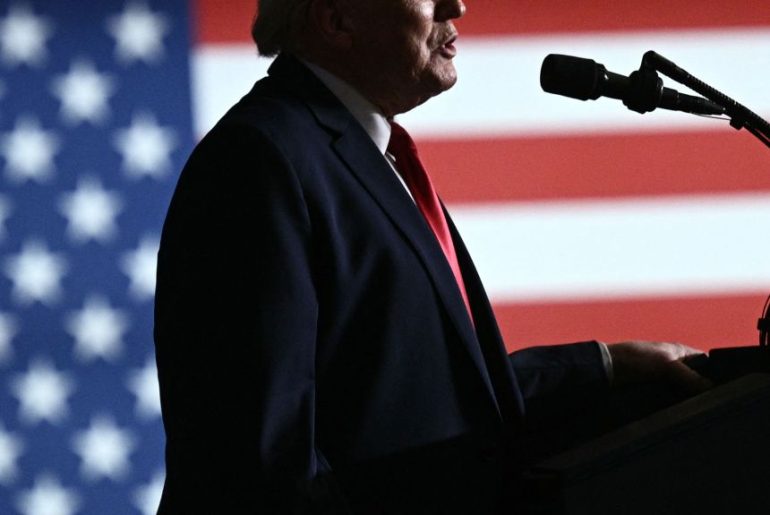
As President Donald Trump prepares to deliver his State of the Union address on February 24, 2026, the speech comes at a pivotal moment. With his popularity dipping amid economic challenges and heated policy debates, Trump aims to highlight his achievements and reset the narrative for his administration. He has teased a lengthy address, boasting about economic progress like cooling inflation and promising a “record successful year” for Americans. However, polls show many voters remain skeptical, focusing on issues like the cost of living and immigration. Democrats, sensing an opportunity ahead of the 2026 midterms, plan to counter with pointed gestures and a rebuttal. Historians note that while these speeches can offer a temporary boost, their impact is often short-lived in today’s fast-paced media landscape. Here are five key elements to watch during the event.
1. How Trump Handles the DHS Shutdown and Immigration Tensions
The ongoing partial shutdown of the Department of Homeland Security (DHS) casts a shadow over the address, fueled by a standoff between Democrats demanding limits on immigration enforcement and Republicans holding firm. Recent mass protests in cities like Minneapolis have spotlighted controversial practices by agencies like U.S. Immigration and Customs Enforcement, especially after tragic incidents like the shootings of Renee Nicole Good and Alex Pretti. Public approval for Trump’s immigration handling has dropped to just 38%, down from around 50% earlier in his term. Expect Trump to defend his policies by honoring “angel families”—relatives of victims killed by undocumented immigrants—while possibly addressing the drawdown of enforcement in protest hotspots. Meanwhile, Democrats like Senate Minority Leader Chuck Schumer are bringing guests affected by detentions to highlight the human cost.
2. Defending Economic Wins Amid Supreme Court Backlash
Trump is likely to tout his economic record as a “historic turnaround,” emphasizing signs of improvement like January’s unexpectedly low inflation. Yet, the Supreme Court’s recent 6-3 ruling striking down his authority to impose sweeping tariffs without Congress could steal the spotlight. Appointed by Trump himself, Justice Neil Gorsuch wrote that such actions bypass the legislative process and the “combined wisdom” of representatives. Trump has lashed out, calling the decision a “disgrace” and hinting at foreign influences. With 60% of Americans supporting the ruling—including majorities of Democrats and independents—he might use the address to jab at the justices in attendance, echoing past presidential criticisms like Barack Obama’s 2010 remarks on Citizens United. Republicans hope he focuses on positive economic messaging instead.
3. The Democratic Rebuttal and Potential Disruptions
Democrats are under scrutiny for how they respond to Trump’s speech, following last year’s mixed reception to interruptions like Rep. Al Green’s cane-waving protest. This year, newly elected Virginia Gov. Abigail Spanberger will deliver the official rebuttal, drawing on her campaign’s focus on affordability. House Democratic Leader Hakeem Jeffries has urged restraint, but some members plan walkouts or boycotts, while progressives push for confrontation. Rep. Ami Bera has called Trump a “troll” likely to provoke outrage, and at least a dozen lawmakers will attend a rival “People’s State of the Union” rally on the National Mall organized by groups like MoveOn. Watch for whether Democrats maintain composure or if tensions boil over in the chamber.
4. Calls for a More ‘Aspirational’ Tone from Republicans
Even within his own party, there’s pressure on Trump to soften his combative style. With midterms looming and no Trump on the ballot, vulnerable Republicans like retiring Sen. Cynthia Lummis urge him to be “aspirational” rather than “acerbic” when addressing affordability and rising costs. At recent rallies, Trump has dismissed critics as “stupid,” but figures like Ohio Gov. Mike DeWine hope he extends an olive branch on immigration, where polls show support for border security but opposition to broad enforcement operations. Trump’s base thrives on his punchy rhetoric, yet surveys reveal broader voter concerns: nearly half describe him as “corrupt,” “cruel,” or “racist.” This could signal risks for Republicans if the speech alienates moderates.
5. Potential Presence of Epstein Victims and Ongoing Scandal
The lingering Jeffrey Epstein scandal could intrude on the proceedings, with survivors of the late sex offender’s abuse attending at lawmakers’ invitations. Amid recent developments like the arrest of former Prince Andrew and the release of millions of pages from Epstein’s files, there’s bipartisan calls for further investigations into powerful figures named in the documents. Epstein survivor Jess Michaels has expressed low expectations for Trump’s response, noting the need to “not move on.” Trump recently suggested it’s time for the country to shift focus, but Democrats and some Republicans continue to emphasize accountability for the “Epstein class.” Keep an eye on whether these guests prompt any acknowledgment or if the issue disrupts the night’s focus on policy.