
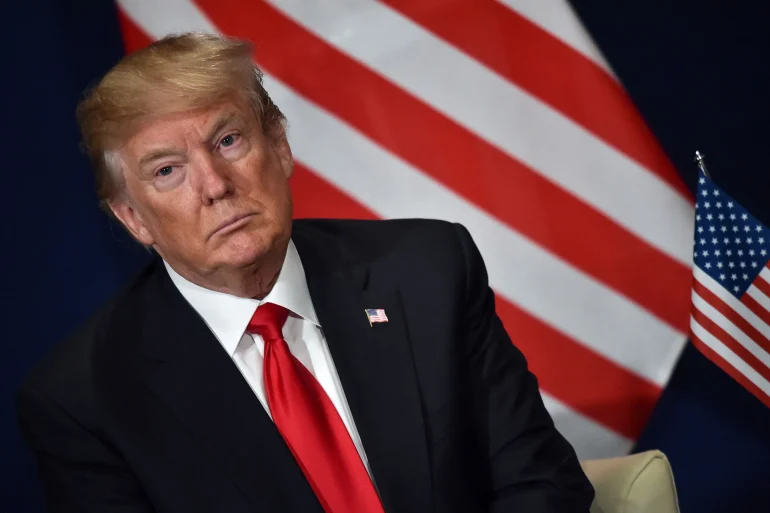
President Donald Trump’s upcoming State of the Union address on Tuesday, February 24, 2026, was meant to highlight his administration’s successes and set a strong tone for the upcoming midterm elections. Instead, the speech arrives during one of the most challenging periods of his second term, marked by a series of setbacks and controversies that have complicated his agenda and lowered his public approval.
Just days before the address, the Supreme Court delivered a major blow to Trump’s economic strategy. In a 6-3 ruling on February 20, the Court declared that the president lacks the authority under the International Emergency Economic Powers Act (IEEPA) to unilaterally impose broad tariffs on trading partners, even during declared emergencies. The decision, which involved cases challenging tariffs on imports from countries like Canada, Mexico, China, and others, stated clearly that the power to levy tariffs belongs to Congress under the Constitution. Two of Trump’s own appointees to the Court joined the majority in this rebuke, which many allies described as humiliating and a direct hit to one of his signature tools for trade negotiations and national security.
Trump reacted strongly, calling the ruling “ridiculous” and suggesting outside influences had swayed the justices. He quickly announced new tariffs under different legal authorities, including a 10% global tariff, to replace the invalidated ones. However, experts note that these alternatives may face limits or legal challenges, and the original ruling could lead to billions in potential refunds for businesses and importers.
This tariff defeat comes amid other mounting pressures. Economic growth has slowed, with GDP figures falling short of expectations, even as the administration highlights some positive data. Trump’s approval ratings have dipped to some of the lowest levels of his second term, often hovering in the low 40s or below, with disapproval in the mid-50s according to recent polls. Public frustration centers on perceptions that the economy isn’t delivering for everyday Americans, despite promises of affordability measures.
On immigration, the administration faces a partial government shutdown at the Department of Homeland Security due to a standoff with Democrats over funding and reforms to how federal agents operate. Reports of heavy-handed tactics by immigration officers have sparked backlash, and the White House has had to de-escalate tensions in some areas, such as sending border czar Tom Homan to Minnesota.
Foreign policy adds another layer of difficulty. The U.S. has built up significant military assets around Iran, including aircraft carriers, fighter jets, and surveillance planes, in preparation for possible strikes related to Iran’s nuclear program or other tensions. While some past actions, like targeted strikes or the arrest of Venezuelan leader Nicolás Maduro, have been tolerated by Trump’s base, a larger operation in Iran could alienate supporters wary of foreign entanglements and distract from domestic priorities like lowering costs.
Other controversies swirl as well, including ongoing fallout from the Jeffrey Epstein scandal, anger from “Make America Healthy Again” advocates over policies on domestic herbicide production like glyphosate, and broader concerns about the direction of the country.
Trump remains defiant, vowing to push forward with his agenda using other tools at his disposal. Treasury Secretary Scott Bessent has suggested alternative tariff paths could maintain revenue levels. The State of the Union offers Trump a prime-time platform to rally his supporters, celebrate accomplishments, and attempt to shift the narrative ahead of midterms where Republicans defend a slim House majority.
With negative headlines dominating and key elements of his strategy under fire, Tuesday’s address will test Trump’s ability to project strength and unity in a politically charged environment. The speech could help set the stage for the rest of his term—or highlight the growing obstacles he faces.