
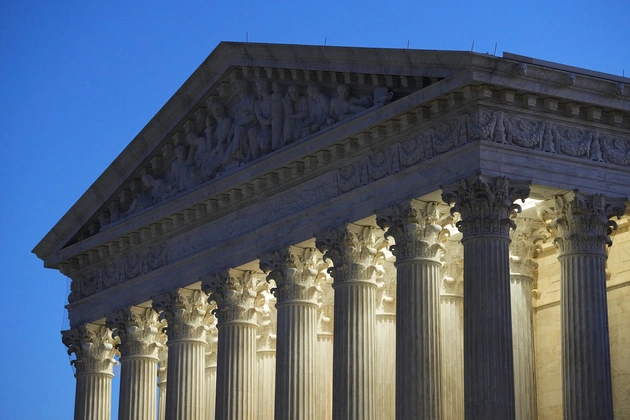
In a major decision on March 31, 2026, the U.S. Supreme Court ruled that Colorado’s law banning conversion therapy for LGBTQ youth violates the First Amendment rights of therapists. The 8-1 ruling sided with Kaley Chiles, a Christian talk therapist who argued that the state could not stop her from offering certain counseling services to minors struggling with their sexual orientation or gender identity.
The case centered on whether Colorado’s ban regulated harmful medical conduct or unfairly restricted speech. Writing for the majority, Justice Neil Gorsuch explained that the law went beyond banning physical treatments. Instead, it censored speech based on a specific viewpoint, which the First Amendment protects. “The First Amendment stands as a shield against any effort to enforce orthodoxy in thought or speech in this country,” Gorsuch wrote.
Chiles had challenged the law, saying it prevented her from providing talk therapy that aligns with her religious beliefs. The Supreme Court agreed that the ban treated the therapy as speech rather than pure medical conduct. As a result, the case returns to lower courts for further review. This decision could affect similar laws in more than 20 other states.
After the ruling, Chiles told reporters she hoped the win for free speech would encourage a greater pursuit of truth. “Because of today’s ruling, families will have more options and states won’t be able to shut those options down,” she said.
Colorado Attorney General Phil Weiser, a Democrat, called the decision a setback for protecting children from practices that many medical experts consider harmful and ineffective. Conversion therapy aims to change a person’s sexual orientation from gay or lesbian to heterosexual, or to encourage transgender youth to identify with the gender they were assigned at birth. Major organizations, including the American Medical Association, the American Psychological Association, and the American Academy of Pediatrics, have discredited the practice. Studies suggest it does not work and may increase the risk of depression and suicide.
Only liberal Justice Ketanji Brown Jackson dissented. She read a summary of her opinion from the bench, stressing that the First Amendment offers less protection when the speaker is a licensed medical professional. Jackson warned that the ruling might lead to weaker oversight of medical treatments overall, potentially allowing unsafe practices to go unregulated. She pointed to requirements like “informed consent,” where doctors must explain risks to patients, as an example of what could be threatened.
In a concurring opinion, Justice Elena Kagan agreed that the Colorado law involved speech restrictions. However, she noted that similar “mirror image” laws—such as those banning therapy that affirms a teen’s gender identity—could face the same constitutional problems if they favor one side of the debate over the other.
The ruling comes on the Global Transgender Day of Visibility and fits into a broader pattern of Supreme Court decisions favoring free speech and religious rights, even when they conflict with LGBTQ protections. In the past, the court has supported LGBTQ rights by legalizing same-sex marriage in 2015 and extending workplace discrimination protections in 2020. Yet it has also struck down laws seen as forcing speech or limiting religious expression.
Advocates for LGBTQ rights, such as Polly Crozier from GLAD Law, pointed out that the decision does not prevent lawsuits for medical malpractice. Survivors of conversion therapy often describe lasting emotional harm, including damaged family ties and loss of community support.
Legal experts expect the ruling to spark new debates over how states can regulate therapy and counseling without crossing into unconstitutional censorship. For now, it expands options for families seeking talk therapy while raising questions about balancing free speech with child protection.