
A new case before the U.S. Supreme Court could reshape how much privacy Americans truly have in the digital age. At the center of the debate is a powerful and controversial surveillance tool known as geofencing—technology that allows law enforcement to identify people based on their location data, often without targeting a specific suspect.
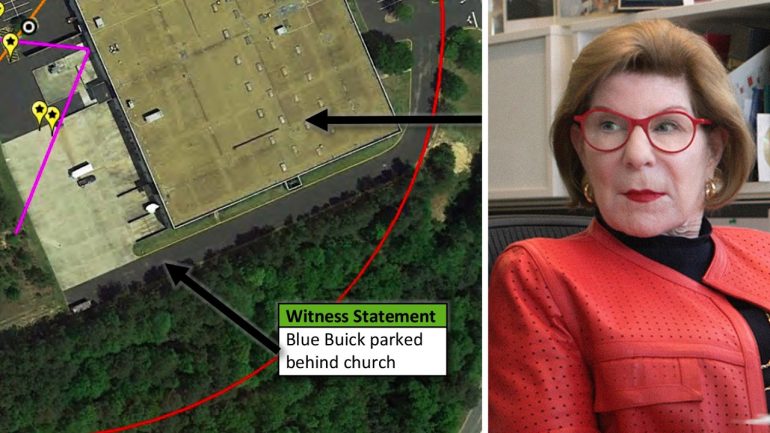
The case stems from a bank robbery in Midlothian, Virginia, where a suspect brandished a gun and escaped with $195,000. Investigators turned to geofencing to track down potential leads. Instead of focusing on a known individual, police drew a virtual boundary around the crime scene and sought a warrant compelling Google to search its massive database. The goal: identify every device—and by extension, every person—who was in that area at the time.
This approach marks a major shift in how warrants are traditionally used. Historically, under the Fourth Amendment, law enforcement must demonstrate probable cause and clearly specify who or what they are searching. Geofencing flips that idea on its head. Instead of targeting a suspect, it casts a wide net first, then narrows down potential individuals afterward.
Critics argue that this method risks turning routine investigations into sweeping digital dragnets. By collecting data on potentially dozens—or even hundreds—of innocent people, geofencing raises serious concerns about unreasonable searches. Privacy advocates warn that allowing this practice could erode constitutional protections in a world where smartphones constantly track users’ movements.
Supporters, however, see geofencing as a necessary evolution in policing. They argue that in an era where criminals rely on technology, investigators need modern tools to keep up. In cases with little physical evidence, location data can provide crucial leads that might otherwise be impossible to obtain.
The justices now face a difficult question: does geofencing represent smart, efficient policing, or does it cross a constitutional line? The answer could set a precedent for how far the government can go in accessing personal digital data—not just in this case, but in countless future investigations.
Whatever the ruling, the decision will likely have far-reaching consequences. As smartphones and location-based services become even more embedded in daily life, the outcome could redefine the balance between public safety and personal privacy in the United States.