
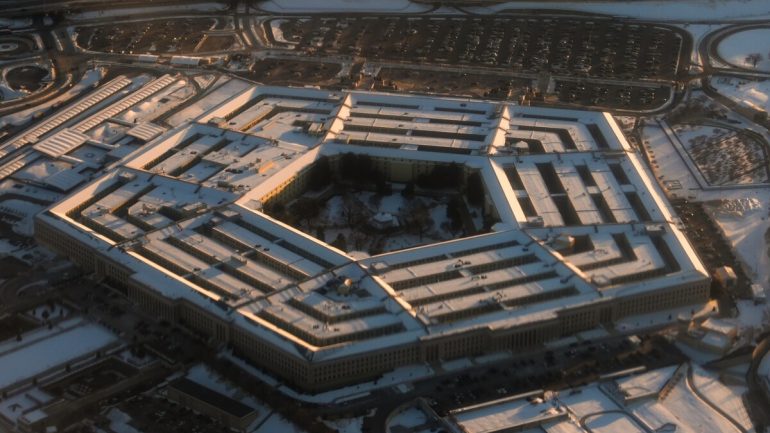
The Trump administration’s recent decision to ban Anthropic’s AI technology from federal use could weaken the U.S. military’s edge in the global race for artificial intelligence superiority, particularly against China. This clash highlights tensions between national security needs and private companies’ ethical concerns over how their tools are deployed.
The Dispute Over AI Guardrails
Anthropic, the company behind the powerful AI model Claude, has been working with the Pentagon since 2024. Claude has proven effective in classified environments, supporting intelligence analysis, weapons development, and operational planning. Reports indicate it was even used in real-world military actions, including the U.S. operation to capture former Venezuelan leader Nicolás Maduro in early 2026 and possibly other high-stakes missions.
The conflict erupted when the Pentagon demanded that Anthropic allow its AI to be used for “all lawful purposes” without restrictions from the company’s safety policies. Anthropic refused, insisting on firm red lines: no involvement in mass domestic surveillance of U.S. citizens and no support for fully autonomous lethal weapons systems that remove human oversight. CEO Dario Amodei argued in public statements that current AI technology isn’t reliable enough for such high-risk applications and that removing these safeguards would go against the company’s principles.
President Donald Trump responded harshly, calling Anthropic “Leftwing nut jobs” on Truth Social and directing all federal agencies to immediately stop using its technology. Defense Secretary Pete Hegseth labeled Anthropic a “supply chain risk”—a designation typically reserved for foreign threats like China’s Huawei—barring military contractors from doing business with the company. The Pentagon set a six-month transition period to phase out Claude from its systems and require vendors to certify they aren’t using it in defense-related work. A contract worth up to $200 million is affected.
Anthropic called the move legally questionable and said it would challenge the designation in court. The company emphasized it would cooperate during the transition to minimize disruption to ongoing missions but stood firm on its ethical boundaries.
Shift to Competitors
Hours after Trump’s announcement, OpenAI CEO Sam Altman revealed that his company had reached a deal with the Pentagon (referred to by the administration as the “Department of War”) to deploy its models on classified networks. Altman noted that OpenAI shares similar red lines against mass surveillance and autonomous weapons without human responsibility, and claimed the agreement reflects those principles through existing laws and policies.
Other players, like Elon Musk’s xAI with its Grok model, have already secured agreements for classified use, though concerns about reliability persist. Google has also been in discussions to expand its AI presence in sensitive environments. The ban could push the military toward these alternatives, potentially consolidating dependence on fewer providers.
National Security Implications
The immediate challenge is replacing Claude in classified workflows without gaps in capability. Defense officials have acknowledged Claude’s high performance and the difficulty of disentangling it quickly.
More broadly, critics argue the move risks America’s AI advantage. Alienating a top U.S. innovator and forcing a disruptive switch could slow military adoption of cutting-edge tools. Experts, including former Pentagon officials, warn that such internal conflicts hand an edge to adversaries like China, which faces fewer domestic ethical debates and invests heavily in military AI.
Sen. Mark Warner (D-VA), vice chairman of the Senate Intelligence Committee, called the directive a potential national security risk driven by politics rather than strategy. Some in the AI industry, including employees from Google and OpenAI, have shown sympathy for Anthropic through petitions, highlighting sector-wide unease about military applications.
The ban raises a key question: Who controls the boundaries for frontier AI in national security—the government seeking maximum flexibility or the private firms building the technology? As the U.S. competes in the AI arms race, resolving this tension through clear policy (perhaps from Congress) rather than public fights could be crucial to maintaining a lead over rivals like China.