
The United States says it is fully prepared to restart military operations against Iran if negotiations fail, as efforts to secure a lasting peace agreement remain unresolved.
Speaking at a major defense summit in Asia on Saturday, Defense Secretary Pete Hegseth emphasized that the U.S. military remains ready for any scenario.
“We are more than capable,” Hegseth said, noting that American forces have ample stockpiles of weapons and munitions positioned both in the Middle East and around the world. He added that the U.S. military is currently in a strong position should conflict resume.
The comments came as the future of a potential agreement between Washington and Tehran remains uncertain. U.S. and Iranian negotiators recently reached a tentative framework that would extend the current ceasefire by 60 days while both sides work toward a broader agreement addressing Iran’s nuclear program.
However, the proposal still requires approval from President Donald Trump.
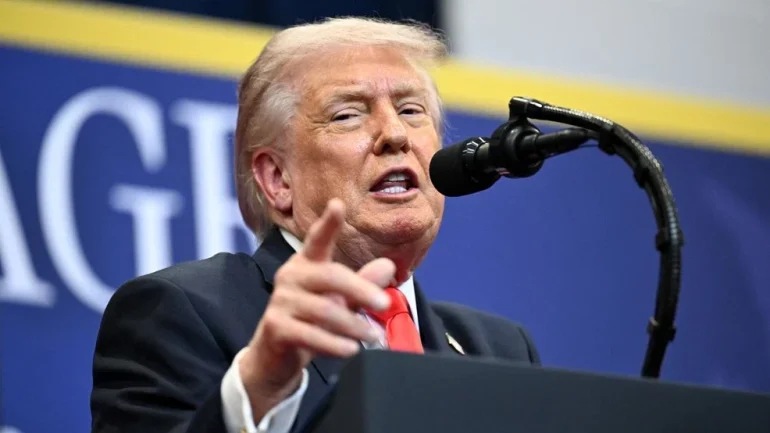
Trump met with top advisers in the White House Situation Room for roughly two hours on Friday to discuss the proposal, but no final decision was made. According to a senior administration official, Trump remains committed to several non-negotiable demands before signing any agreement.
Among those conditions is a guarantee that Iran will never develop a nuclear weapon. Trump also called for unrestricted shipping through the strategically important Strait of Hormuz and the removal of any naval mines that could threaten commercial traffic.
Iran, meanwhile, has signaled that a final agreement has not yet been reached. Foreign Ministry spokesman Esmail Baghaei said discussions remain focused primarily on ending hostilities and stabilizing the ceasefire rather than hashing out the details of Iran’s nuclear activities.
The nuclear issue continues to be one of the biggest obstacles in the talks. Iranian officials insist their nuclear program is intended solely for peaceful civilian purposes and have repeatedly rejected demands that they permanently abandon the ability to enrich nuclear material.
Deep mistrust between the two countries also remains a major hurdle. Iranian Parliament Speaker Mohammad-Bagher Ghalibaf expressed skepticism about U.S. promises, arguing that actions matter more than words.
“No step will be taken before the other side acts,” Ghalibaf wrote on social media, adding that Iran gains leverage through military strength rather than negotiations alone.
Although both Washington and Tehran have accused each other of violating the ceasefire since it took effect nearly seven weeks ago, diplomatic talks have continued. For now, negotiators are attempting to preserve the fragile truce while searching for common ground on the issues that have divided the two nations for decades.
Whether Trump ultimately approves the proposed framework could determine if the current pause in fighting evolves into a broader peace agreement—or if tensions once again escalate toward open conflict.