
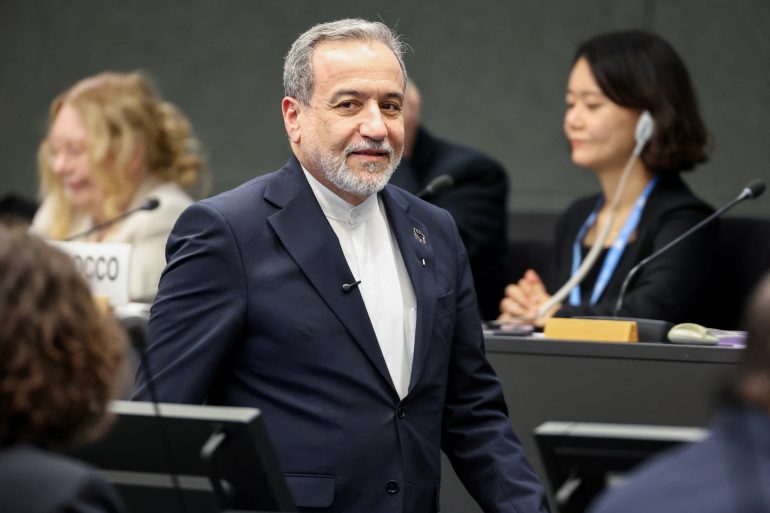
On February 17, 2026, Iran and the United States made notable progress in their ongoing nuclear negotiations during indirect talks held in Geneva, Switzerland. Iranian Foreign Minister Abbas Araghchi announced that both sides had reached an understanding on key “guiding principles” to address their long-standing dispute over Iran’s nuclear program. However, he stressed that this does not mean a full agreement is close, describing the talks as constructive but with much work still ahead.
The discussions, mediated by Oman, involved Iran’s Foreign Minister Araghchi and U.S. representatives, including Special Envoy Steve Witkoff and Jared Kushner, son-in-law of President Donald Trump. Oman’s Foreign Minister Badr al-Busaidi noted on X that while “much work is yet to be done,” the parties left with “clear next steps.” A U.S. official, speaking anonymously, confirmed that “progress was made, but there are still a lot of details to discuss.” The official added that Iran plans to submit detailed proposals within the next two weeks to help bridge remaining gaps.
These talks mark the second round of negotiations in recent weeks, following an earlier session mediated by Oman. The atmosphere was described as more positive than before, with Araghchi telling Iranian media that different ideas were seriously debated, leading to a general agreement on guiding principles. He expressed hope for a sustainable solution that recognizes Iran’s legitimate rights to a peaceful nuclear program.
The backdrop to these discussions remains tense. In June 2025, the United States, joining Israel, conducted airstrikes on Iranian nuclear facilities using B-2 stealth bombers and other weapons, targeting sites like Fordow, Natanz, and Isfahan. President Trump has described those actions as necessary to prevent Iran from developing nuclear weapons, while Iran insists its program is for peaceful purposes only. Iran is a signatory to the Nuclear Non-Proliferation Treaty (NPT), which allows civilian nuclear energy but prohibits weapons development.
Adding to the regional strain, just as the Geneva talks began, Iranian state media reported a temporary partial closure of the Strait of Hormuz—a critical global oil route—for “security precautions” during military drills by Iran’s Revolutionary Guards. Tehran has historically threatened to block the strait in response to attacks, a move that could disrupt about one-fifth of the world’s oil supply and spike prices. Oil markets reacted to the day’s developments, with Brent crude falling more than 1% after Araghchi’s comments eased some fears of immediate conflict. The U.S. has maintained a strong military presence in the Gulf to pressure Iran.
Iran maintains that talks should focus solely on its nuclear activities in exchange for relief from U.S. sanctions, which have worsened economic hardships and fueled domestic protests. Tehran has ruled out discussions on its ballistic missile program or other regional issues. Supreme Leader Ayatollah Ali Khamenei has warned that U.S. efforts at regime change would fail, while President Trump has suggested Iran wants to avoid severe consequences and may be open to a deal.
Both sides now face the task of turning these guiding principles into concrete proposals. Iran will present more detailed ideas soon, and further rounds could follow if momentum holds. For now, the Geneva meeting represents a step forward in a complex standoff, though deep differences persist amid ongoing military posturing and mutual distrust.