
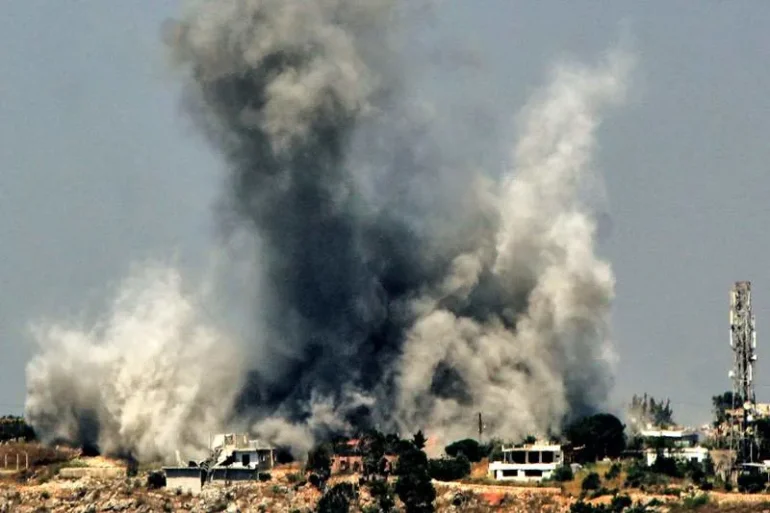
Hezbollah has rejected a newly signed ceasefire agreement between Israel and Lebanon, raising fears that the fragile truce could collapse just days after it was announced.
According to a joint statement from the United States, Israel, and Lebanon, the two countries agreed to a full ceasefire on Wednesday. The deal required Hezbollah to stop all attacks on Israel and pull its fighters out of southern Lebanon, south of the Litani River. In exchange, Israeli forces would withdraw from the area, and the Lebanese army would take control of key zones to prevent Hezbollah from returning.
However, on Thursday, Hezbollah’s deputy leader Naim Qassem sharply rejected the terms. He called the agreement “a roadmap to annihilate part of the Lebanese people” and said Hezbollah would continue its attacks as long as Israeli troops remain in southern Lebanon. Qassem warned that “as long as our villages are being bombed and our people killed, northern Israel will not be safe.”
Trump’s Intervention
The ceasefire came after U.S. President Donald Trump stepped in earlier this week to prevent Israel from launching major airstrikes on Beirut. Trump reportedly had a heated, profanity-filled phone call with Israeli Prime Minister Benjamin Netanyahu, after which he announced a partial ceasefire. Despite the announcement, Hezbollah carried out several drone attacks on targets inside Israel over the following days.
Lebanese President Joseph Aoun said Thursday that his government would inform the Trump administration of Hezbollah’s position. He added that the ceasefire was supposed to take effect 24 hours after the U.S. received guarantees from all sides.
Key Details of the Agreement
The deal was worked out over two days of negotiations at the U.S. State Department. It includes the creation of “pilot zones” in southern Lebanon where the Lebanese Armed Forces would have full control and ensure no Hezbollah presence. Israel agreed to withdraw its troops from these areas.
The joint statement emphasized that Israel and Lebanon have “no hostile intent toward one another” and pledged to continue direct talks. The two countries also agreed to hold another round of negotiations for a broader peace agreement on June 22 in Washington, D.C.
Both sides also stated that the future of Lebanon must be decided by its own government, rejecting any outside attempts by state or non-state actors to control the country’s direction.
What Happens Next?
Hezbollah’s rejection puts the ceasefire in serious doubt. Without the group’s cooperation, the agreement may exist only on paper. Analysts warn that continued attacks by Hezbollah could push President Trump to allow Israel to escalate its military operations in Lebanon.
This situation is closely tied to wider regional talks. A lasting ceasefire in Lebanon is one of Iran’s main demands in ongoing negotiations with the Trump administration to end the broader conflict.
The story is still developing.