
A fragile ceasefire between the United States and Iran appears to be holding—for now—but a wave of new attacks across the Persian Gulf is testing how long that stability can last. Despite missile strikes, naval clashes, and rising threats, U.S. officials say the situation has not yet returned to full-scale war.
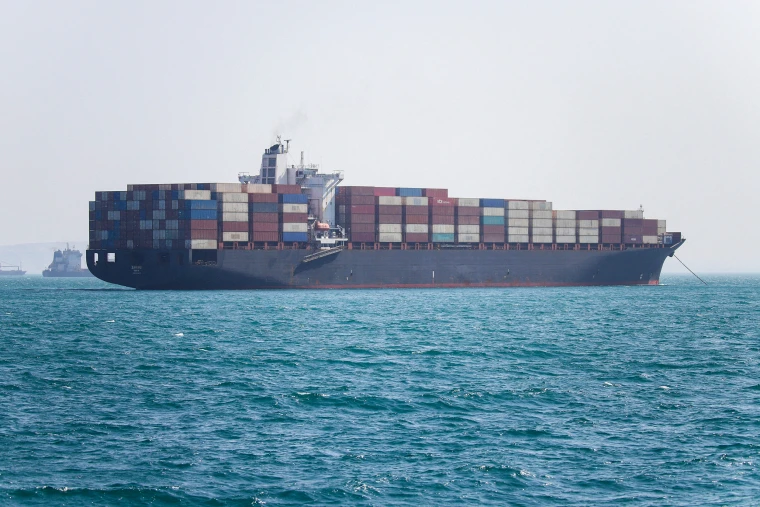
Defense Secretary Pete Hegseth said Tuesday that the ceasefire “certainly holds,” even as U.S. forces were forced to defend commercial shipping routes. The U.S. Navy intercepted a sustained Iranian assault involving missiles, drones, and small attack boats while escorting vessels through the Strait of Hormuz. President Donald Trump said American forces destroyed several Iranian boats during the encounter.
At the center of the latest tensions is “Project Freedom,” a U.S. operation aimed at protecting commercial ships moving through the critical waterway. Secretary of State Marco Rubio emphasized that the mission is defensive. “There’s no shooting unless we’re shot at first,” Rubio said, stressing that the U.S. is trying to avoid escalation.
However, violence has continued elsewhere in the region. The United Arab Emirates reported a second consecutive day of missile and drone attacks launched by Iran. Earlier strikes included at least 15 missiles that injured workers and caused damage to infrastructure. Regional leaders have condemned the attacks, warning they threaten both civilians and economic stability.
Iran has delivered mixed messaging. While its Foreign Ministry said there is “no hostility” toward neighboring Gulf nations, it also warned that ships deviating from Iran-approved routes in the Strait of Hormuz would face a “firm response.” Iranian officials continue to criticize the U.S. military presence, calling it a source of instability in the region.
Israel is also preparing for the possibility of escalation. Military leaders said they are ready to respond “with force” if Iran targets the country, with officials noting that the full air force could be deployed if necessary.
President Trump has taken a cautious stance, saying he does not want to expand the conflict. “We don’t want to go in and kill people,” he said, while adding that Iran understands the limits of the ceasefire. He is expected to discuss the situation with Chinese President Xi Jinping during an upcoming meeting, highlighting the global implications of the crisis.
For now, both sides appear to be balancing restraint with readiness—engaging in limited military actions while avoiding a broader war. But with continued attacks and forces on high alert, the ceasefire remains a tense and uncertain pause rather than a lasting peace.